 Result BD Stay Ahead with Every Result
Singapore Healthcare Guide 2026 – Best Hospitals for Foreign Patients: Top Choices Revealed
Singapore is famous for its modern skyline, clean streets, and strict laws. But many travelers and expats are surprised to find that it is also one of the top countries in the world for healthcare. Each year, thousands of foreign patients fly to Singapore for medical treatment, attracted by high standards, advanced technology, and English-speaking staff. If you are planning treatment or surgery in Singapore, choosing the right hospital is critical. This guide will help you understand the healthcare system, compare top hospitals for foreign patients, and learn what to expect in 2026.
Singapore’s healthcare system is not only efficient—it is also one of the most reliable. The country regularly ranks in the global top ten for healthcare quality. Hospitals here are accredited by international bodies, doctors are highly trained, and waiting times are short.
But for foreigners, navigating the system can be confusing. Costs, insurance, and hospital choices are different from what you may know back home. This article reveals the best hospitals for foreign patients, explains how to choose, and shares practical tips to make your medical journey safe and smooth.
Singapore Healthcare System Overview
Singapore’s healthcare system is often described as a mix of public and private providers. The government runs some hospitals, while others are operated privately. Both types offer world-class care, but prices and amenities can vary.
Public Vs Private Hospitals
Public hospitals are subsidized by the government. This means they are less expensive for locals, but foreigners pay full price. Still, public hospitals in Singapore offer excellent care and advanced technology.
Private hospitals are more expensive, but they often provide faster service, private rooms, and more personalized care. Foreign patients usually prefer private hospitals for their comfort and flexibility.
| Feature | Public Hospitals | Private Hospitals |
|---|---|---|
| Cost for Foreigners | Medium-High | High |
| Waiting Time | Short | Very Short |
| Room Type | Shared/Private | Private |
| Language Support | English, Mandarin | English, Mandarin, Others |
| Specialized Care | Yes | Yes (More options) |
Accreditation And International Standards
Most hospitals in Singapore are accredited by Joint Commission International (JCI) or similar bodies. This ensures safety, hygiene, and high medical standards. Foreign patients can feel confident that their care meets international guidelines.
Insurance And Payment
Foreigners must pay for treatment upfront or through private insurance. Singapore does not accept foreign government health plans. It is wise to check if your insurance covers treatment abroad, as costs can add up quickly.
Common Medical Services For Foreign Patients
Foreigners visit Singapore for many reasons, such as:
- Cancer treatment
- Heart surgery
- Cosmetic surgery
- Fertility treatment
- Orthopedics (bone and joint)
- Routine check-ups
Singapore is especially known for oncology, cardiology, and organ transplants. Many hospitals also offer luxury services for VIP patients, including private suites and concierge support.
Why Singapore Is A Top Choice For Medical Tourism
Singapore’s reputation as a medical destination is built on several strengths:
- Safety and Hygiene: Hospitals are clean, strict on infection control, and follow rigorous protocols.
- Advanced Technology: Facilities use the latest equipment, such as robotic surgery and AI diagnostics.
- Expert Doctors: Physicians are trained in top universities and many hold international certifications.
- English Proficiency: Most staff speak English, making communication easy for foreign patients.
- Short Waiting Times: Appointments and procedures are scheduled quickly, often within days.
- Location and Accessibility: Singapore is easy to reach from Asia, Australia, and the Middle East.
- Transparent Pricing: Hospitals provide clear estimates, so you know costs before treatment.
Singapore also offers a safe environment for recovery, with clean streets, good hotels, and efficient transport. Many patients combine medical visits with sightseeing or business trips.
Medical Tourism Statistics
In 2024, Singapore attracted over 500,000 foreign patients. Most came from Indonesia, Malaysia, India, China, and the Middle East. The city-state earned nearly $1 billion USD from medical tourism, making it one of Asia’s leading healthcare hubs.

Credit: www.bcgsearch.com
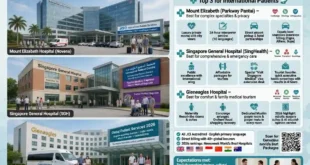
Best Hospitals For Foreign Patients In Singapore
Choosing the right hospital can feel overwhelming. Here are the top hospitals favored by foreign patients in 2026, along with their specialties and strengths.
1. Mount Elizabeth Hospital
Mount Elizabeth Hospital is Singapore’s most famous private hospital for foreign patients. Located in Orchard Road, it offers advanced care in cardiology, oncology, and surgery. Many international celebrities and VIPs choose this hospital for its privacy and luxury rooms.
- JCI-accredited
- Multilingual staff
- Dedicated international patient center
- 345 beds, 20+ specialties
Mount Elizabeth is especially known for heart surgery, cancer treatment, and orthopedics. The hospital provides airport transfers, visa assistance, and personalized care coordinators.
2. Gleneagles Hospital
Gleneagles Hospital is another top private hospital with a strong focus on gastroenterology, liver disease, and transplant surgery. It is located near the Botanic Gardens and is popular with patients from Indonesia and Malaysia.
- 250 beds
- JCI-accredited
- International patient desk
- Luxury suites available
Gleneagles is recognized for its liver transplants and digestive disease care. The hospital also offers pediatric surgery and fertility treatments.
3. Singapore General Hospital (sgh)
Singapore General Hospital (SGH) is the country’s oldest and largest public hospital. While it is government-run, SGH serves many foreign patients seeking specialized treatments at reasonable prices.
- 1,700 beds
- Comprehensive specialties
- JCI-accredited
- Research and teaching hospital
SGH is famous for organ transplants, cancer care, and complex surgery. The hospital has a dedicated international patient service and collaborates with major research institutes.
4. Parkway East Hospital
Parkway East Hospital offers personalized care in a smaller, boutique setting. It is located in the east of Singapore and serves many expats and foreign families.
- 143 beds
- Private rooms
- Multilingual staff
- Focus on orthopedics, maternity, and general surgery
Parkway East is known for its friendly staff, easy access, and comfortable environment. It is suitable for foreigners looking for routine procedures or minor surgeries.
5. Raffles Hospital
Raffles Hospital is a private hospital famous for its comprehensive health screening and executive check-ups. It also offers advanced surgery and specialized clinics for foreigners.
- 380 beds
- JCI-accredited
- Multilingual staff
- Located in downtown Singapore
Raffles Hospital is popular for cosmetic surgery, fertility treatment, and cardiac care. The hospital is part of the Raffles Medical Group, which has clinics across Asia.
6. National University Hospital (nuh)
National University Hospital (NUH) is a public hospital linked to the National University of Singapore. It is a leader in research and academic medicine, attracting foreign patients for complex cases.
- 1,200 beds
- JCI-accredited
- Focus on cancer, pediatrics, and neuroscience
NUH is known for clinical trials, rare disease treatment, and children’s medicine. Foreign patients benefit from access to cutting-edge therapies.
7. Thomson Medical Centre
Thomson Medical Centre specializes in women’s health, obstetrics, and fertility. It is a top choice for foreign couples seeking IVF or maternity care.
- Boutique hospital
- Private suites
- Multilingual staff
- Focus on reproductive medicine
Thomson Medical offers advanced IVF, prenatal screening, and birth services. The hospital provides privacy and personalized attention for international patients.
8. Farrer Park Hospital
Farrer Park Hospital is a new, high-tech hospital that combines luxury with smart technology. Located near Little India, it serves many foreign patients seeking modern facilities.
- 220 beds
- Smart rooms with digital controls
- JCI-accredited
- Focus on oncology, heart, and joint surgery
Farrer Park is known for its digital patient experience and advanced cancer care. It offers private rooms with city views and in-room entertainment.
9. Tan Tock Seng Hospital (ttsh)
Tan Tock Seng Hospital (TTSH) is a public hospital with strong infectious disease and respiratory care programs. It is a leader in COVID-19 and epidemic response.
- 1,500 beds
- JCI-accredited
- Focus on infectious disease, geriatrics, and rehabilitation
TTSH serves foreigners needing respiratory or geriatric care. It is also recognized for stroke and rehabilitation services.
10. Kk Women’s And Children’s Hospital (kkh)
KK Women’s and Children’s Hospital (KKH) is Singapore’s largest maternity and children’s hospital. It is popular with foreign families for pediatric surgery and maternity care.
- 830 beds
- JCI-accredited
- Focus on pediatrics, neonatology, and women’s health
KKH offers advanced neonatal care, pediatric surgery, and fertility treatments. Foreigners benefit from multilingual staff and child-friendly facilities.
Comparing Top Hospitals: What Matters Most?
When choosing a hospital in Singapore, foreign patients should consider several factors. Here’s how top hospitals compare on key features:
| Hospital | Specialties | International Desk | Private Rooms | JCI Accreditation | Avg. Cost (USD) |
|---|---|---|---|---|---|
| Mount Elizabeth | Cardiology, Oncology, Surgery | Yes | Yes | Yes | $8,000 – $25,000 |
| Gleneagles | Liver, Gastroenterology, Transplant | Yes | Yes | Yes | $7,000 – $22,000 |
| SGH | Transplant, Cancer, Surgery | Yes | Limited | Yes | $6,000 – $18,000 |
| Raffles | Screening, Cardiac, Fertility | Yes | Yes | Yes | $6,500 – $20,000 |
| NUH | Cancer, Pediatrics, Neuroscience | Yes | Limited | Yes | $6,000 – $19,000 |
Key Factors For Foreign Patients
- Language Support: Most hospitals have English-speaking staff, but some offer interpreters for Mandarin, Malay, Indonesian, and Arabic.
- International Patient Services: Look for hospitals with dedicated international desks. They help with appointments, insurance, and logistics.
- Cost Transparency: Ask for a detailed estimate before treatment. Prices can vary by hospital and doctor.
- Specialist Availability: Some hospitals have more specialists in certain fields. Choose based on your medical needs.
- Location: Hospitals near the city center are easier to reach but may cost more.
- Amenities: Private rooms, Wi-Fi, and meal options can improve comfort during your stay.
Non-obvious Insights
- Doctor Choice: In Singapore, you can often choose your doctor, even in public hospitals, but it may cost more. Many foreigners pay extra for senior specialists.
- Insurance Partnerships: Some hospitals work directly with international insurers, making billing smoother and reducing upfront costs.

Credit: www.yahoo.com
How To Plan Your Medical Trip To Singapore
Traveling for medical care takes careful planning. Here’s a step-by-step guide to help foreign patients prepare.
Step 1: Research And Select Hospital
Begin by researching hospitals and specialists. Check their websites, read reviews, and contact the international patient center for information. Ask about:
- Treatment options
- Estimated costs
- Waiting times
- Doctor profiles
- Language support
Step 2: Arrange Appointment And Documents
Once you choose a hospital, schedule your appointment. Most hospitals accept online bookings. You will need:
- Passport copy
- Medical records (translated if needed)
- Insurance documents
- Referral letter (optional)
International patient services can help with paperwork and guide you through the process.
Step 3: Plan Your Travel
Book flights and accommodation near your hospital. Singapore’s Changi Airport is well connected. Many hospitals offer airport pick-up for foreign patients.
Choose a hotel or serviced apartment with easy transport access. Some hospitals have deals with nearby hotels for discounted rates.
Step 4: Prepare For Arrival
Arrive at least one day before your appointment to adjust and rest. Bring all documents and medications. Be ready for a medical assessment and tests.
Hospitals may require a deposit before treatment. Payment is usually by credit card or wire transfer.
Step 5: Undergo Treatment
Follow hospital instructions and ask questions if unsure. Most hospitals provide daily updates, meal choices, and interpreters if needed.
If you have major surgery, recovery may take days or weeks. Hospitals offer physical therapy, follow-up care, and discharge planning.
Step 6: Aftercare And Follow-up
Before leaving Singapore, arrange a follow-up appointment or online check-in. Get copies of your medical reports for your home doctor.
Some hospitals offer telemedicine support for ongoing care. Make sure you understand medication and aftercare instructions.
Tips For A Smooth Medical Trip
- Bring a companion: It helps to have someone for support and translation.
- Check visa requirements: Most foreigners need a tourist visa, but some medical cases qualify for special visas.
- Understand costs: Singapore is expensive; ask for itemized bills and keep track of expenses.
- Explore the city: Singapore is safe and easy to explore during recovery. Gardens, museums, and shopping are nearby.
Costs, Insurance, And Payment Explained
Singapore healthcare is not cheap for foreigners. Understanding costs and payment options is crucial.
Typical Costs For Foreign Patients
Medical prices vary by hospital, procedure, and doctor. Here are average costs for common treatments in 2026:
- Heart surgery: $18,000 – $28,000 USD
- Cancer treatment: $15,000 – $30,000 USD
- IVF: $8,000 – $16,000 USD
- Knee replacement: $12,000 – $20,000 USD
- Health screening: $800 – $2,500 USD
Private hospitals charge more, especially for VIP rooms and senior specialists.
Insurance Coverage
Foreign patients must use private health insurance. Singapore does not accept foreign government health plans. Some hospitals partner with global insurers like Bupa, Allianz, and Cigna.
Check your policy for:
- Overseas coverage
- Direct billing options
- Pre-authorization requirements
- Exclusions (pre-existing conditions)
If you lack insurance, you must pay upfront. Hospitals provide estimates and invoices before treatment.
Payment Methods
Hospitals accept:
- Credit cards (Visa, MasterCard, Amex)
- Wire transfers
- Cash (for small amounts)
Some hospitals require a deposit before admission. Always ask for a detailed bill and keep copies.
Cost Comparison Table
Here’s how Singapore compares to other Asian medical destinations:
| Country | Heart Surgery Cost (USD) | Cancer Treatment Cost (USD) | IVF Cost (USD) | JCI Hospitals |
|---|---|---|---|---|
| Singapore | $18,000 – $28,000 | $15,000 – $30,000 | $8,000 – $16,000 | 30+ |
| Thailand | $10,000 – $18,000 | $8,000 – $20,000 | $6,000 – $12,000 | 50+ |
| Malaysia | $8,000 – $16,000 | $7,000 – $18,000 | $4,000 – $10,000 | 15+ |
| India | $5,000 – $12,000 | $4,000 – $10,000 | $2,500 – $7,000 | 25+ |
Singapore is more expensive but offers higher standards and faster service.
Non-obvious Insights
- Package Deals: Some hospitals offer package prices for foreign patients, including surgery, room, meals, and airport pick-up. These can save money and reduce stress.
- Negotiation: You can negotiate for a lower room rate or doctor’s fee, especially for long stays. Hospitals may have discounts for certain nationalities or repeat patients.
What To Expect During Your Hospital Stay
Singapore hospitals are known for comfort, safety, and technology. Here’s what foreign patients can expect during their stay.
Admission Process
Arrive at the hospital reception with your documents. The international desk will guide you through registration, payment, and consent forms. You may meet your doctor and have a pre-treatment assessment.
Hospital Rooms And Amenities
Most hospitals offer:
- Private or shared rooms
- Wi-Fi and TV
- In-room meals (Western, Asian, Halal options)
- Laundry and cleaning service
- Visitors allowed (with limits)
Some hospitals have luxury suites with extra space, city views, and personal assistants.
Medical Care And Communication
Doctors and nurses speak English and are trained to explain procedures clearly. You can ask for interpreters if needed. Hospitals provide daily updates and answer questions promptly.
Food, Visitors, And Recovery
Meals are tailored to your dietary needs. Visitors are allowed during specified hours, but hospitals limit numbers for safety.
Physical therapy, counseling, and aftercare are available. Recovery rooms are clean and equipped with modern technology.
Discharge And Follow-up
After treatment, you receive a summary of care, medication instructions, and follow-up appointments. Hospitals help arrange transport and ongoing care, including telemedicine for remote check-ins.
How To Choose The Right Hospital For Your Needs
Choosing the best hospital depends on your condition, budget, and personal preferences.
Key Considerations
- Specialty: Choose a hospital with strong expertise in your condition.
- Location: Central hospitals are easier to access, but suburban hospitals may be quieter.
- Budget: Private hospitals cost more; public hospitals offer similar quality at lower prices.
- Amenities: If you value privacy and comfort, select hospitals with private rooms or VIP suites.
- Doctor Reputation: Research your doctor’s qualifications, experience, and reviews.
- Language Support: If English is not your first language, ask about interpreters or multilingual staff.
- International Desk: Hospitals with dedicated international desks make paperwork and logistics easier.
Common Mistakes To Avoid
- Ignoring Insurance: Not checking insurance coverage before treatment can lead to high bills.
- Not Asking for Estimates: Always request a detailed price quote to avoid surprises.
- Choosing Only by Price: Cheapest hospitals may lack specialists or amenities.
- Not Researching Doctor: The doctor’s skill matters as much as the hospital’s reputation.
- Skipping Follow-Up: Proper aftercare is vital for recovery.
Non-obvious Insights
- Second Opinions: Singapore hospitals encourage second opinions. You can consult multiple doctors before deciding.
- Medical Concierge: Some hospitals offer medical concierge services for foreigners. They handle logistics, translation, and personal requests.
Patient Experience: Real-life Examples
Many foreigners share positive stories about their medical experience in Singapore.
- Maria from Indonesia: Came for heart surgery at Mount Elizabeth. She praised the fast scheduling, clear explanations, and comfortable recovery. Her hospital arranged airport pick-up and helped with insurance paperwork.
- John from UK: Needed cancer treatment at SGH. He valued the advanced technology and access to clinical trials. SGH staff provided daily updates and coordinated aftercare with his home doctor.
- Aisha from UAE: Chose Thomson Medical for IVF. She liked the privacy, multilingual staff, and cultural sensitivity. The hospital helped with visa extension and follow-up appointments.
Singapore Healthcare In 2026: Trends And Innovations
Singapore’s hospitals are evolving fast. Here are some trends to expect in 2026:
Ai And Robotics
Hospitals use artificial intelligence for diagnosis, treatment planning, and surgical assistance. Robotic surgery reduces errors and speeds up recovery.
Telemedicine
Many hospitals offer virtual consultations for foreign patients. You can consult specialists online before traveling, saving time and money.
Personalized Medicine
Doctors use genetic testing and personalized data to tailor treatment. This is common in cancer care and rare diseases.
Smart Hospital Rooms
New hospitals feature smart rooms with digital controls, online meal ordering, and entertainment. Patients can adjust lighting, temperature, and request assistance from tablets.
International Partnerships
Hospitals partner with global institutions for research, training, and patient care. Foreign patients benefit from access to international clinical trials and therapies.
Non-obvious Insights
- Visa Support: Some hospitals now help with medical visas, making it easier for foreign patients to stay longer for recovery.
- Wellness and Recovery: Hospitals offer wellness programs, spa treatments, and fitness centers to speed up healing.
Credit: www.wolterskluwer.com
Frequently Asked Questions
Is Singapore Safe For Medical Treatment In 2026?
Yes, Singapore is one of the safest countries for medical care. Hospitals follow strict hygiene and infection control. Doctors are highly trained, and the city is clean, organized, and secure.
How Long Does It Take To Schedule Treatment?
Most hospitals offer fast scheduling. Foreign patients can get appointments within days or weeks, depending on the procedure and doctor availability. Emergency cases are handled immediately.
Are Hospital Staff Fluent In English?
Almost all hospital staff speak English. Major hospitals also have interpreters for Mandarin, Malay, Indonesian, and Arabic. Communication is rarely a problem for foreign patients.
What Documents Do I Need For Treatment?
You should bring your passport, medical records (translated if needed), insurance details, and a referral letter if available. Some hospitals may ask for proof of funds or visa documents.
How Can I Verify Hospital Quality In Singapore?
Look for hospitals with JCI accreditation or local government certification. Read patient reviews and check doctor credentials. Official hospital websites provide details about standards and services. For more on accreditation, visit Wikipedia – Joint Commission International.
Singapore’s healthcare system continues to set the standard for medical tourism. With careful planning, foreign patients can enjoy world-class care, advanced technology, and a safe environment for recovery. By choosing the right hospital, understanding costs, and preparing well, you can make your medical journey smooth and successful.